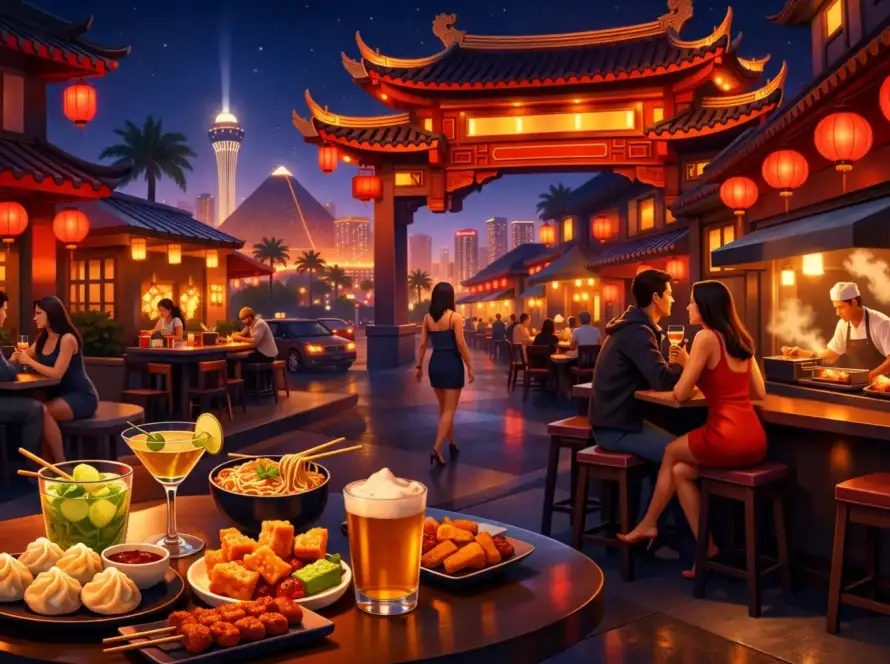
The best asian dinner party menu is not the one with the most dishes. It is the one that keeps the table buzzing, the food moving, and nobody stuck in the kitchen while everyone else is already pouring drinks and taking group photos. If you are planning a birthday dinner, a casual get-together, or a full-on celebration, the goal is simple – serve food that feels festive, shareable, and easy to enjoy in rounds.
That is why Asian-style group dining works so well for parties. You get bold flavors, contrast on the table, and a natural mix of bites, bowls, and platters that make the night feel lively from the first appetizer to the last late-night order. A smart menu also gives your guests variety without turning your plan into a catering spreadsheet.
How to build an asian dinner party menu that feels fun
A strong party menu needs rhythm. Think of the meal in waves instead of one giant drop of food all at once. Start with small plates that hit fast, follow with filling mains that can anchor the table, and leave room for something warm, sweet, or cocktail-friendly at the end.
The sweet spot is balance. You want something crispy, something brothy, something rich, something fresh, and at least one dish with a little heat. When every item is heavy, guests tap out early. When everything is too light, people start looking for drive-thru tacos on the way home.
Portioning matters too. For a group of six to eight, it usually works better to order or prepare fewer dishes in stronger portions than to overload the table with too many one-note plates. A crowded menu can look impressive, but if half the dishes overlap, the meal loses momentum.
Start with small plates people actually want to share
Appetizers set the tone. This is where guests relax, start snacking, and settle into the night. The best opening round is easy to grab and full of contrast.
A crisp starter like spring rolls, potstickers, or fried wontons gives the table immediate energy. Pair that with something softer and more comforting like steamed dumplings or bao. Then add one cold or crunchy option such as a cucumber salad, pickled vegetables, or a slaw with sesame dressing to cut through the richer bites.
This is also where spice can wake things up. A plate with chili oil, a spicy dipping sauce, or a peppery glaze keeps the first round from feeling too safe. Not every guest wants serious heat, so it helps to make spice optional instead of building the whole menu around it.
If your crowd is drinking, appetizers should be easy to eat between sips and conversations. Nobody wants a formal knife-and-fork situation while the playlist is getting better and the night is still building.
Mains that keep the table full and the party moving
For the main round, the best asian dinner party menu usually includes two or three anchors instead of six different entrees. Noodle dishes, rice dishes, and one brothy option create that mix of comfort and variety people remember.
Noodles are almost always a win for groups. Ramen brings warmth and depth, especially for cooler nights or longer dinners. Stir-fried noodles bring a little more speed and flexibility. They hold well, feel hearty, and work for guests who want something satisfying without slowing the night down.
Rice-based dishes do a different job. Fried rice, garlic rice, or a protein-and-vegetable rice plate gives the table a familiar, filling option that works for just about everyone. It also helps absorb richer sauces and balances out spicy dishes.
A broth-forward option adds range. Pho is especially good when you want the menu to feel comforting but not too heavy. It is warming, flavorful, and easy to pair with sharper starters and richer side dishes. If your guests like to customize their bowls with herbs, lime, or sauces, it also adds a more interactive element to the meal.
Protein variety is worth thinking through. Chicken is easy, beef feels a little more celebratory, and shrimp or seafood can make the spread feel more occasion-ready. If your group includes vegetarians, this is the point where you want one real plant-forward dish, not just a side pretending to be an entree.
Don’t forget the side players
The dishes around the mains often decide whether the meal feels flat or fully put together. Greens, pickles, and sauces may sound minor, but they change the whole table.
A side of stir-fried vegetables or garlicky greens gives people a break from heavier bites. Pickled radish, kimchi, or marinated cucumbers bring acidity and snap. Extra sauces matter too. Soy-based sauces, chili crisp, sesame dressing, or a creamy spicy sauce can make one dish feel like three different experiences depending on how guests use them.
If you are hosting at home, sides also buy you flexibility. They can be prepped ahead, pulled from the fridge, and plated in minutes while the mains stay hot.
Drinks should match the vibe, not fight the food
A dinner party menu is not just about the plates. Drinks shape the pacing. If the food is rich and savory, lighter cocktails and crisp beers usually work better than anything too sugary.
Think about contrast here too. Citrus, sparkling mixers, and clean spirits pair well with bold Asian flavors because they refresh the palate. If your group prefers beer, lagers and lighter ales are easy crowd-pleasers. For wine drinkers, something chilled and bright tends to do better than anything too tannic or heavy.
Mocktails deserve the same energy. Ginger, lychee, yuzu, cucumber, and sparkling water can make nonalcoholic options feel festive instead of like an afterthought. That matters when you want every guest to feel included in the celebration.
A sample asian dinner party menu that works
If you want a menu that feels social without getting complicated, build around contrast and crowd appeal. Start with crispy spring rolls, steamed dumplings, and a chilled cucumber salad. Move into a main spread with a ramen option, a fried rice dish, and a protein-forward noodle plate. Add one vegetable side and keep sauces on the table.
That mix works because each dish does something different. The starters create momentum, the mains give guests choice, and the sides keep the meal from leaning too heavy. It feels abundant without becoming chaotic.
For a more celebration-first crowd, especially
Hosting at home versus booking the night out
It depends on what kind of evening you want. Hosting at home gives you control, but it also turns you into the planner, runner, server, and cleanup crew. That can be worth it for a smaller dinner or a more intimate hangout.
But if the goal is a real celebration, there is a reason people book spaces built for groups. You skip the grocery run, the prep stress, the dish mountain, and the awkward moment when the music is good but the night has nowhere to go. For birthdays, team outings, and reunion dinners, having food, drinks, and entertainment in one place changes the whole experience.
That is where a spot like Mukgo Nolza makes sense for Las Vegas groups who want more than a meal. You can build the night around shareable Asian flavors, cocktails, and private karaoke without splitting the evening across three different locations. It is easier, livelier, and a lot more fun when the table turns into the party instead of just the pregame.
Common menu mistakes that flatten the night
The biggest mistake is over-ordering heavy dishes. Too many fried items, too many creamy sauces, or too many similar entrees can make the table feel tired halfway through dinner. Variety beats volume.
Another issue is ignoring timing. If every dish lands at once, the meal peaks too early. Staggering the experience keeps people engaged. Even in a casual setting, serving in rounds makes the night feel more intentional.
And then there is the practical side. A party menu should match the way people are actually eating. If your guests are mingling, laughing, and moving around, go with food that can handle that energy. If the menu requires constant plating, reheating, or complicated assembly, it may look great on paper and still be wrong for the room.
Make the menu match the moment
Not every dinner party needs the same mood. A cozy family gathering may call for broth, rice, and comfort dishes that feel warm and familiar. A birthday crowd usually wants louder flavors, more shareables, and drinks that keep the energy up. A work group might need safer picks with a couple of exciting dishes mixed in.
That is the real trick to a memorable menu. You are not just feeding people. You are setting the pace for the night, giving the group something to gather around, and making it easy for conversation to keep rolling.
Pick dishes that invite sharing, leave room for fun, and keep you out of stress mode. When the food flows, the drinks stay cold, and nobody has to ask what comes next, the party usually takes care of itself.